Many event organisers use the terms “registration” and “accreditation” interchangeably — but they describe fundamentally different processes with different tools, data requirements, and outcomes. Confusing them leads to real operational problems at the event.
Registration is the front door: collecting who wants to attend. Accreditation is the security layer: verifying who is allowed in, where they can go, and what their credential proves. A professional event needs both — and they must be tightly integrated.
This guide explains the core distinction, when each is appropriate, and what a production-grade accreditation system does that a standard ticketing or registration platform cannot.
Accreditation vs Registration — By the Numbers
3×
Higher Security with Accreditation
<1s
Credential Verification
100%
Audit Trail Coverage
Multi-Zone
Access Level Control
The Core Difference
Event registration is the process of collecting information from attendees who wish to attend an event. It answers the question: who wants to come?
Event accreditation is the process of verifying, approving, and credentialing the people who are authorised to attend — and defining specifically what they are authorised to access. It answers the question: who is allowed in, and where?
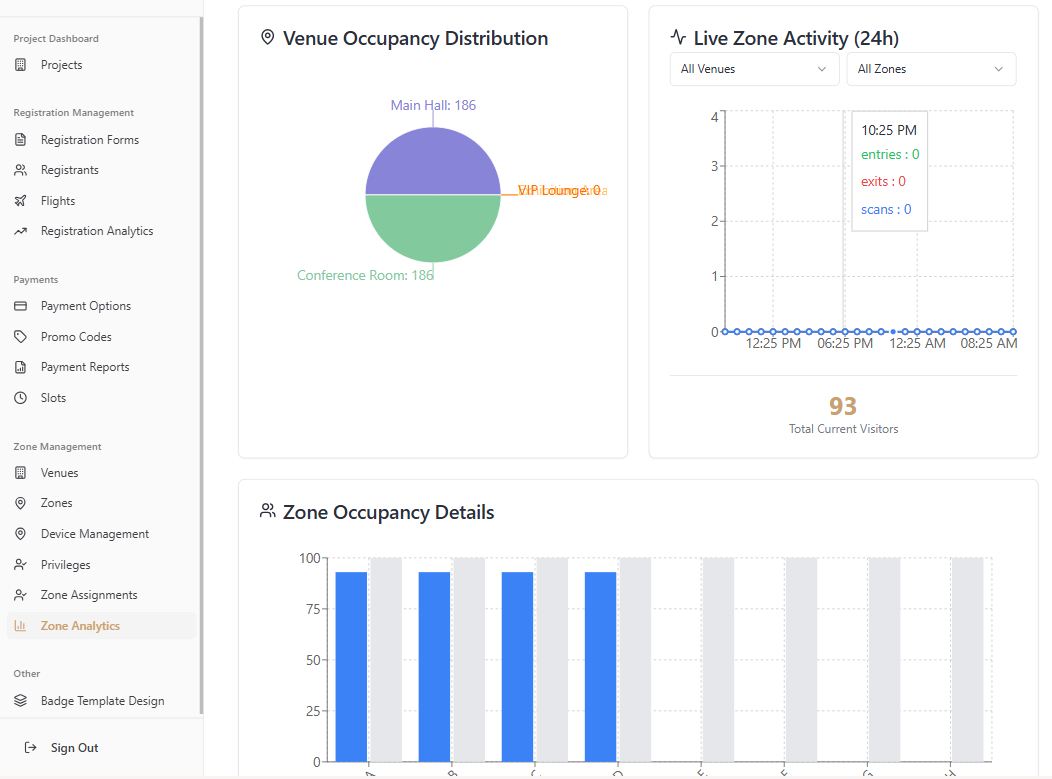
Registration is a data collection exercise. Accreditation is a security and access management function — enforced through tools like StampIQ's zone-based access control. A large event needs both, and the two processes must be tightly integrated.
Registration
- Collects attendee information
- Manages ticket types and capacity
- Sends confirmation emails
- No identity verification required
Accreditation
- Verifies identity against records
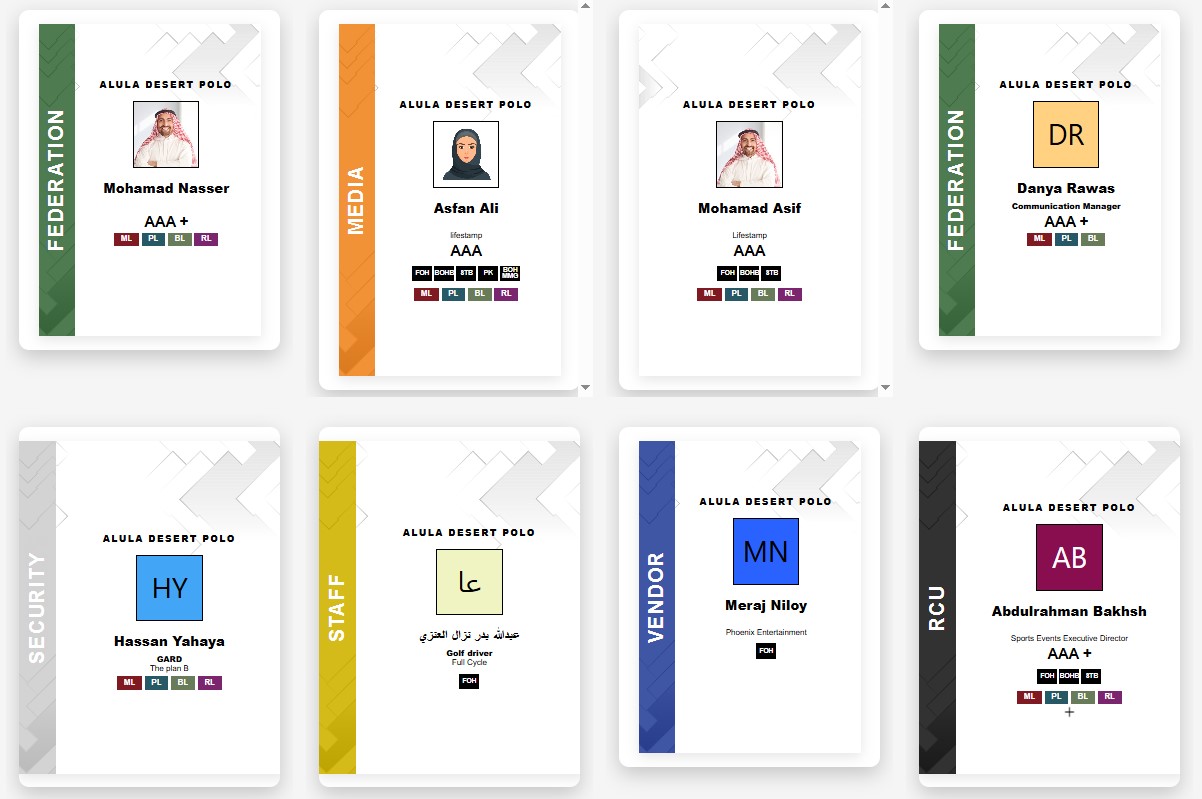
- Assigns zone-specific access rights
- Issues physical RFID credentials
- Creates full access audit trail
Why the Distinction Matters
Confusing registration with accreditation creates three categories of operational problems that surface on event day — when there is no time to fix them.
Over-permissioning
If every registered attendee receives the same access credential, zone security becomes meaningless. VIP areas, backstage zones, media tribunes, and operational areas must be restricted to credentialed individuals with the appropriate permissions.
Security gaps
A registration system that accepts anyone who submits a form provides no security function. Accreditation requires verification — confirming that the person is who they claim to be, and that they meet the criteria for the requested access level.
Compliance exposure
For government events and events involving celebrities or public figures, accreditation against security databases may be legally required. Simple registration does not fulfil this requirement.
When You Need Full Accreditation vs. Simple Registration
Not every event requires a comprehensive accreditation system. Here is a practical guide to help you decide:
Simple registration is sufficient for:
- Small events under 200 attendees
- Single access zone for all attendees
- All attendees have the same access rights
- No sensitive or restricted content
Full accreditation is required for:
- Events with multiple access zones (VIP, media, staff)
- Events with sensitive security requirements
- Government-linked or diplomatic events
- Events with 500+ attendees
- Events with cashless payment integration
- Any event needing a complete access audit trail
For Vision 2030 events in Saudi Arabia: full accreditation is not just recommended — it is a requirement. The scale, media visibility, and VIP attendance profile of flagship Saudi events demand multi-zone credential control and complete audit trails.
Registration vs. Accreditation: Feature Comparison
The table below shows exactly where registration systems end and accreditation systems begin:
| Feature | Simple Registration | Full Accreditation |
|---|---|---|
| Data collected | Name, email, ticket type | Name, ID, role, zone permissions, documents |
| Identity verification | None / self-declared | ID checked against registration |
| Access enforcement | Ticket scan at main entrance | Zone-by-zone RFID validation |
| Fraud prevention | Limited (QR shareable) | High (hardware-encrypted RFID) |
| Audit trail | Basic attendance count | Full timestamped access log per person |
| Real-time management | No | Yes — live dashboard with alerts |
| Suitable for | < 200 attendees, single zone | 500+ attendees, multiple zones |
Key Takeaways
- Registration = data collection. Accreditation = identity verification + access rights enforcement.
- Every accreditation system includes registration, but not every registration system includes accreditation.
- Multi-zone access requires accreditation — registration systems cannot enforce different permissions per zone.
- PDPL compliance applies to both registration and accreditation data collection equally.
- For events above 500 attendees or with any restricted zones, invest in a full accreditation system.
Frequently Asked Questions
Need Full Event Accreditation?
StampIQ handles the complete lifecycle — from pre-registration through RFID credential issuance, zone access control, and post-event reporting. One platform, fully integrated.
Explore the Platform